


With LATI – Research Laboratory for Territorial Intelligence, the University of the Greater Region launches an innovative initiative for cross-border spatial planning.
Supported by the Interreg VI A Greater Region programme, LATI enables cities, municipalities, and regions to develop sustainable solutions for shared challenges – such as climate change, achieving net-zero land sealing, or creating liveable residential and working areas near public transport.
The project focuses on open exchange of knowledge and ideas as well as on the joint development of practical solutions. LATI supports planning actors in co-constructing cross-border territorial knowledge and making it available to all stakeholders.
Special attention is paid to mutual learning and joint testing of policies, strategies, and practical approaches. The aim is to rethink spatial planning sustainably, in a networked manner, and close to real-life challenges.
Programme: Interreg VI A Greater Region
Duration: 01.04.2025 – 31.03.2028
Budget: €4,692,656.88 (of which €2,674,814.40 ERDF funding)
Highlights and Events
Upcoming events:
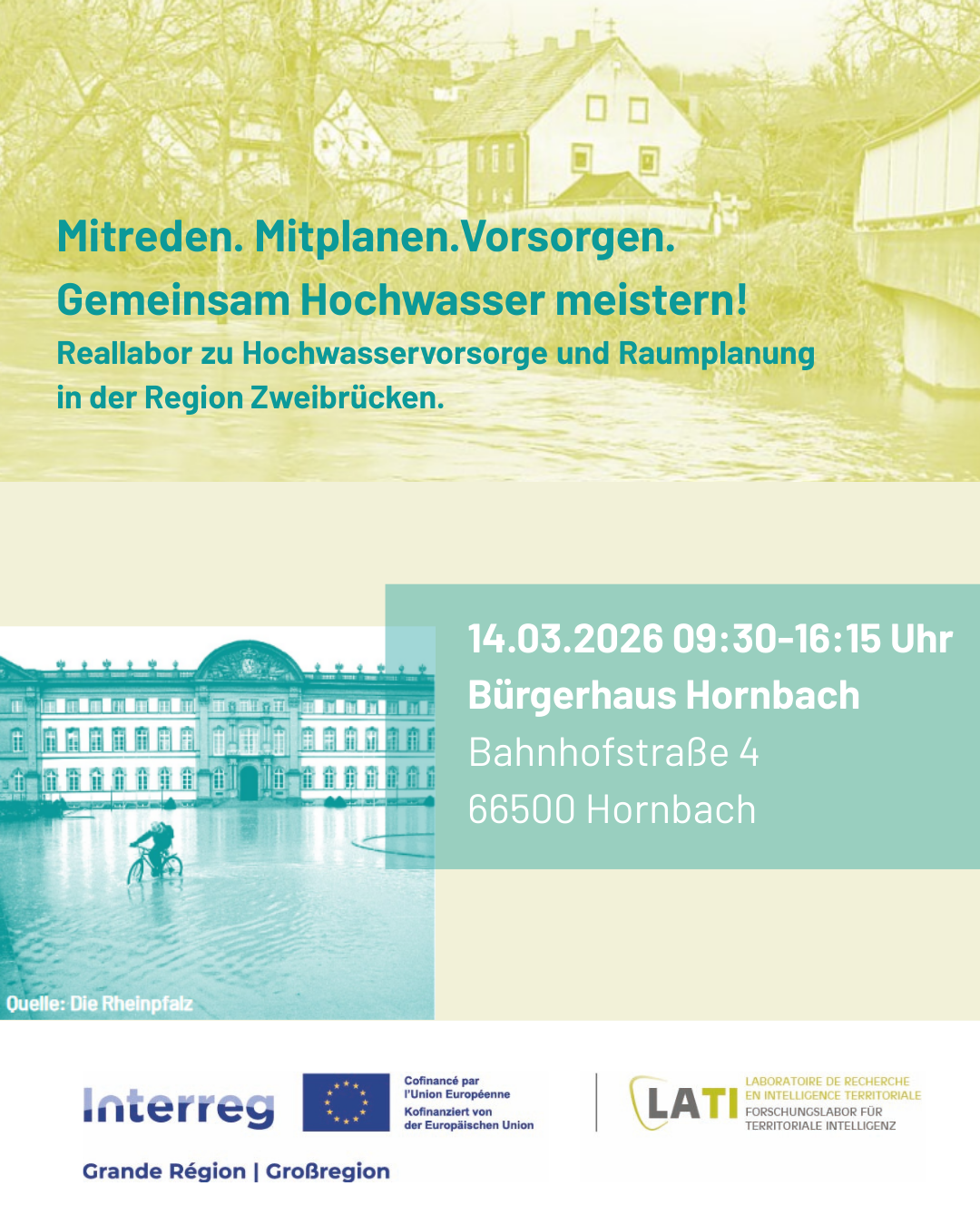
Living Lab “Working together to overcome flooding!”
17.09.2026, 05:30 pm - 08:00 pm
Bürgerhaus Hornbach, Bahnhofstraße 4, DE-66500 Hornbach
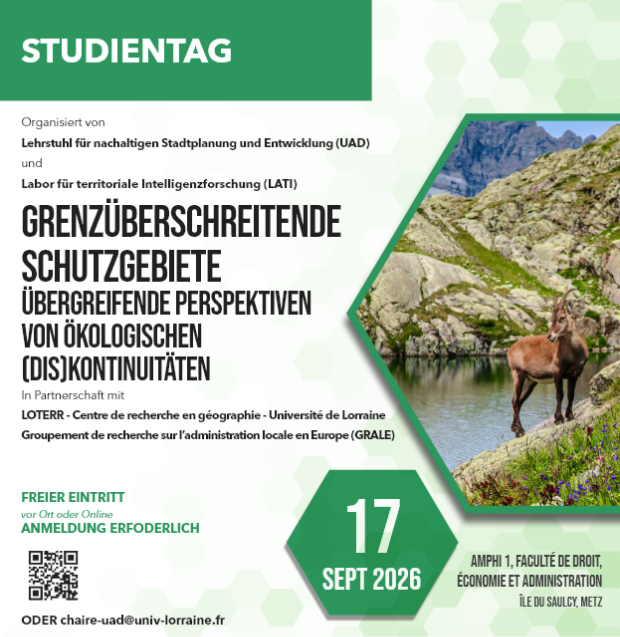
17.09.2026, 08:30 am - 05:30 pm
Université de Lorraine, Amphi 1, Faculté de droit, économie et administration, Île du Saulcy, Metz
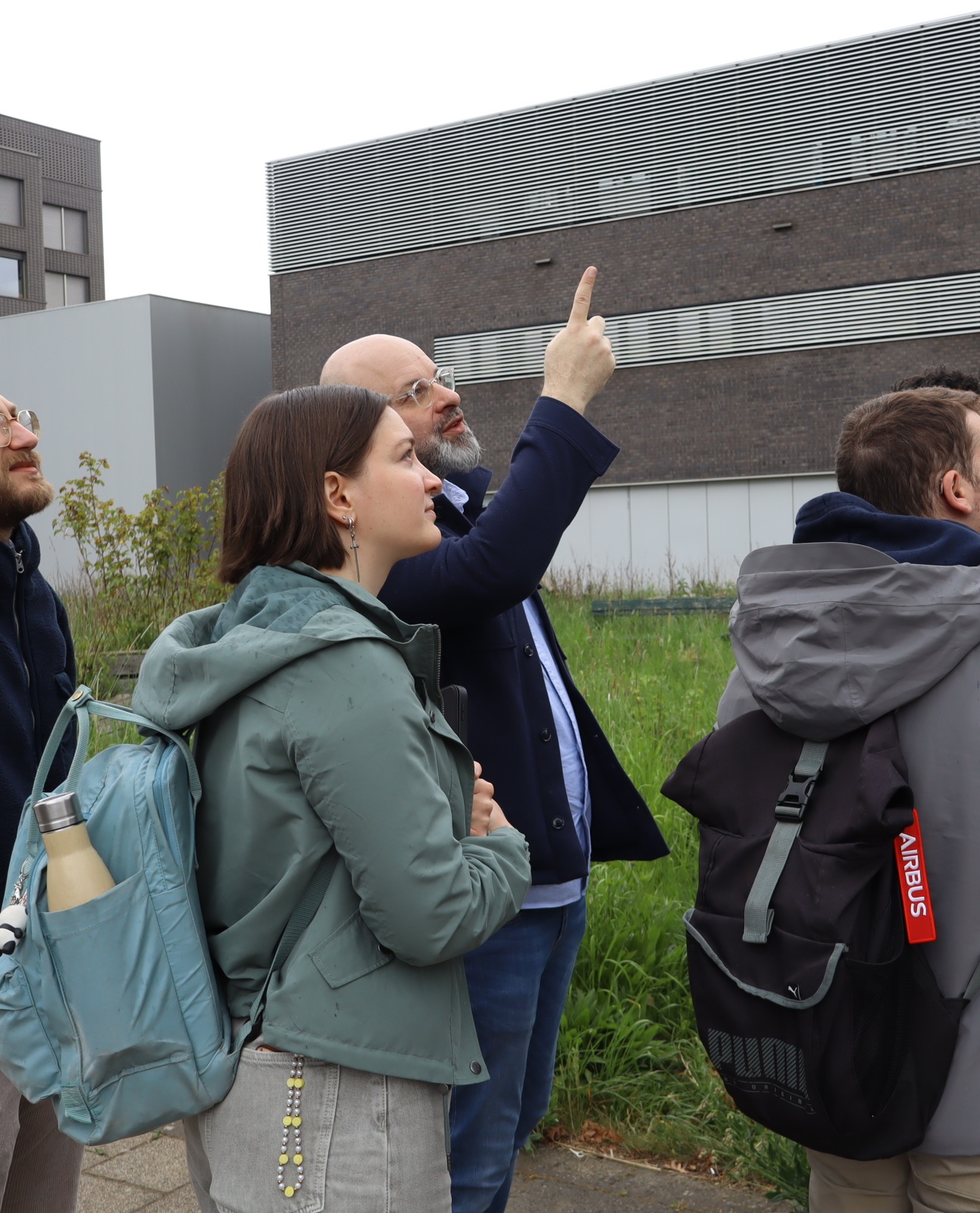
23/09/2026, 5:00–7:00 pm
Saarbrücken, Hohe Wacht
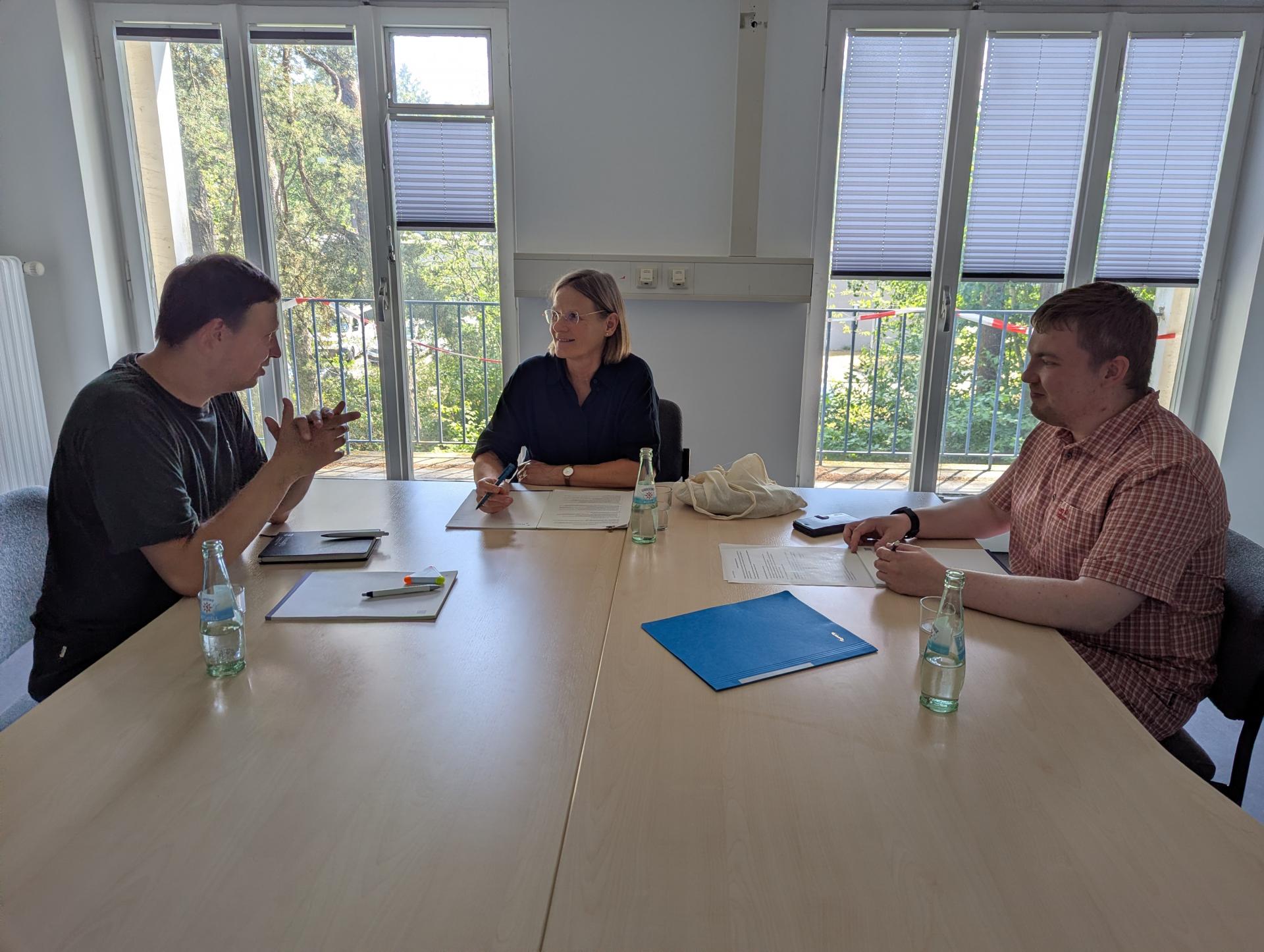
Expert Interview Series on No Net Land Take
June–September 2026
2 & 3/10/2026, 2:00–5:00 pm
Presbytère, 21, Place Ste Cunégonde, L-4367 Luxembourg

Focus groups on affordable housing
19/02/2027
Trier
Past events
9 June 2026
Trier
19 May 2026
Metz University

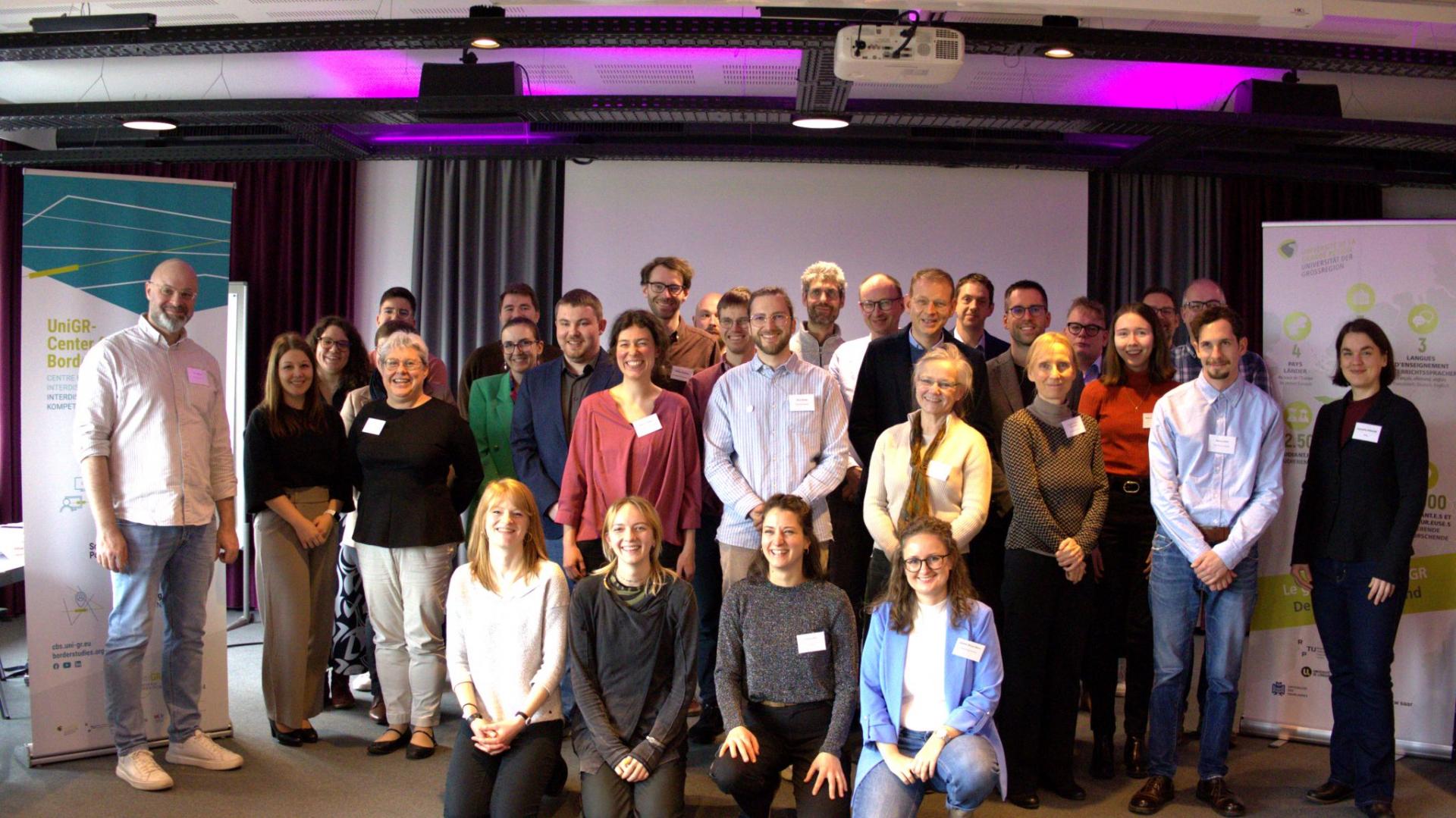
4 February 2026
Hotel am Triller, Saarbrücken
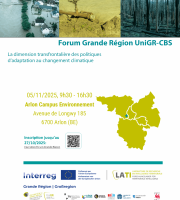
11th UniGR-CBS Forum Greater Region
5 November 2025
Campus Environnement, Arlon
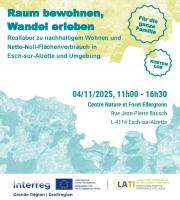
Living Lab “Habiting the Territory, Living the Transition”
4 November 2025
Centre nature et forêt, Ellergronn, Esch-sur-Alzette
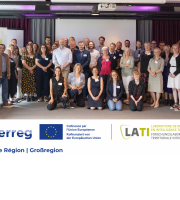
27 June 2025
Hôtel Am Triller, Saarbrücken
Our Values
LATI is committed to a common and sustainable territorial planning within the Greater Region, based on four core principles:
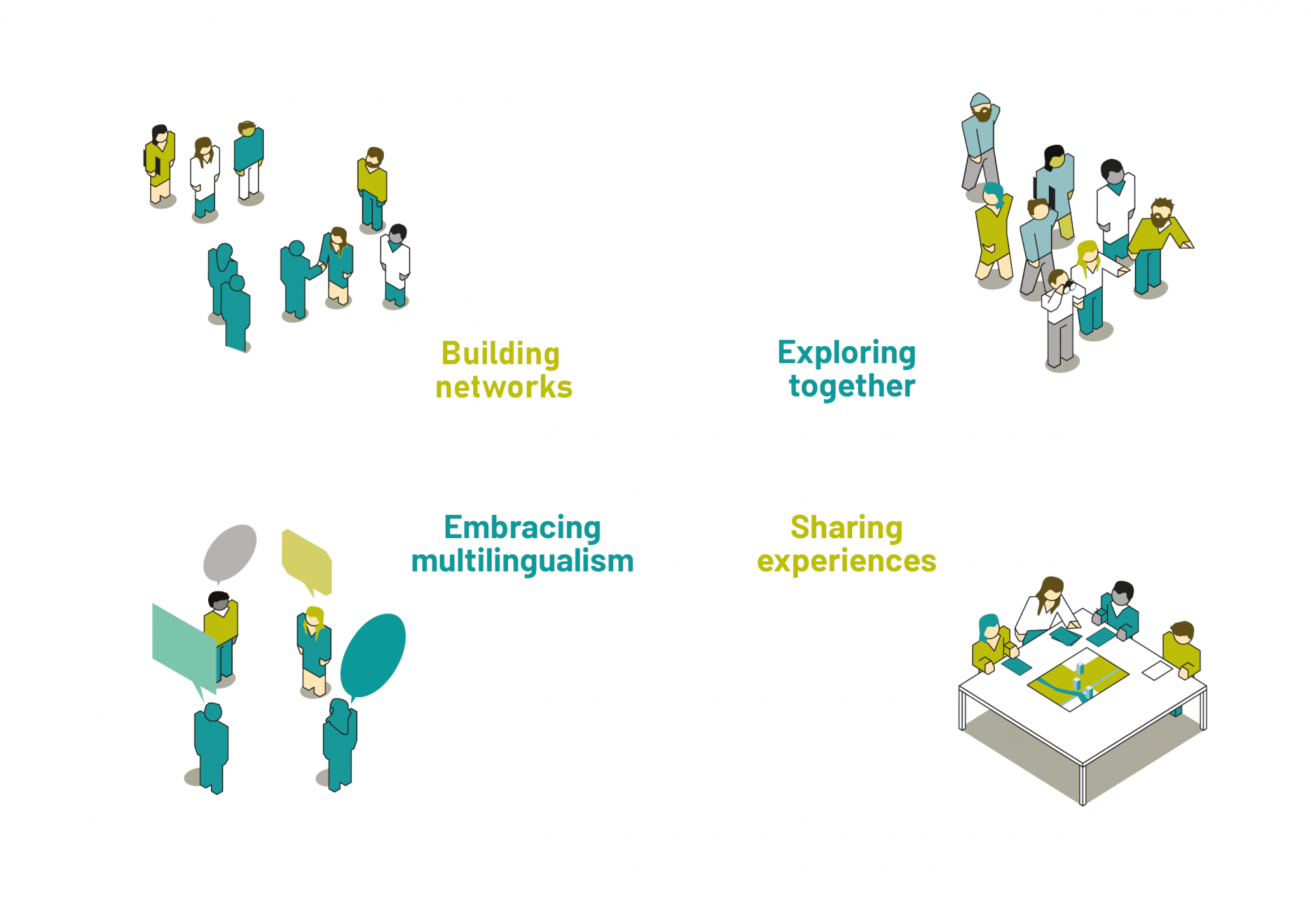
These principles are reflected in all our activities and create a platform for cross-border cooperation between science, policy, and administration.
1) Building networks
Building networks means bringing together territorial planning actors from research, practice, and policy, and strengthening professional exchange. Our planning compendium documents the different planning cultures of the Greater Region and illustrates them with practical case studies, such as affordable housing or land sealing reduction. Excursions and events, including the expert committee, also foster exchange at all levels.
2) Embracing multilingualism
Multilingualism is essential for cross-border cooperation. In all LATI activities, knowledge is shared plurilingually and interculturally – through workshops, teaching modules, podcasts, and social media. This enables all actors to collaborate effectively and develop joint solutions. Technical terms related to territorial planning are collected in a bilingual glossary.
3) Exploring together
Exploring together is at the heart of our work: LATI supports actors in co-constructing knowledge and ideas for territorial development. Emphasis is placed on open exchange and developing concrete, innovative solutions for the Greater Region's challenges. Practical experiences include “Living Labs” and “ground walks” open to all participants.
4) Sharing experiences
Sharing experiences means making knowledge visible and accessible – via the planning compendium, excursions, teaching modules, MOOCs, podcasts, and social media. Students, citizens, and professionals benefit from collected insights and good practices. Online surveys gather feedback from territorial planning professionals to inform sustainable joint solutions.
These principles make LATI a living interface between research, policy, and administration, supporting coordinated, innovative, and sustainable territorial development in the Greater Region.
Partnership
A strong network bridging science and policy
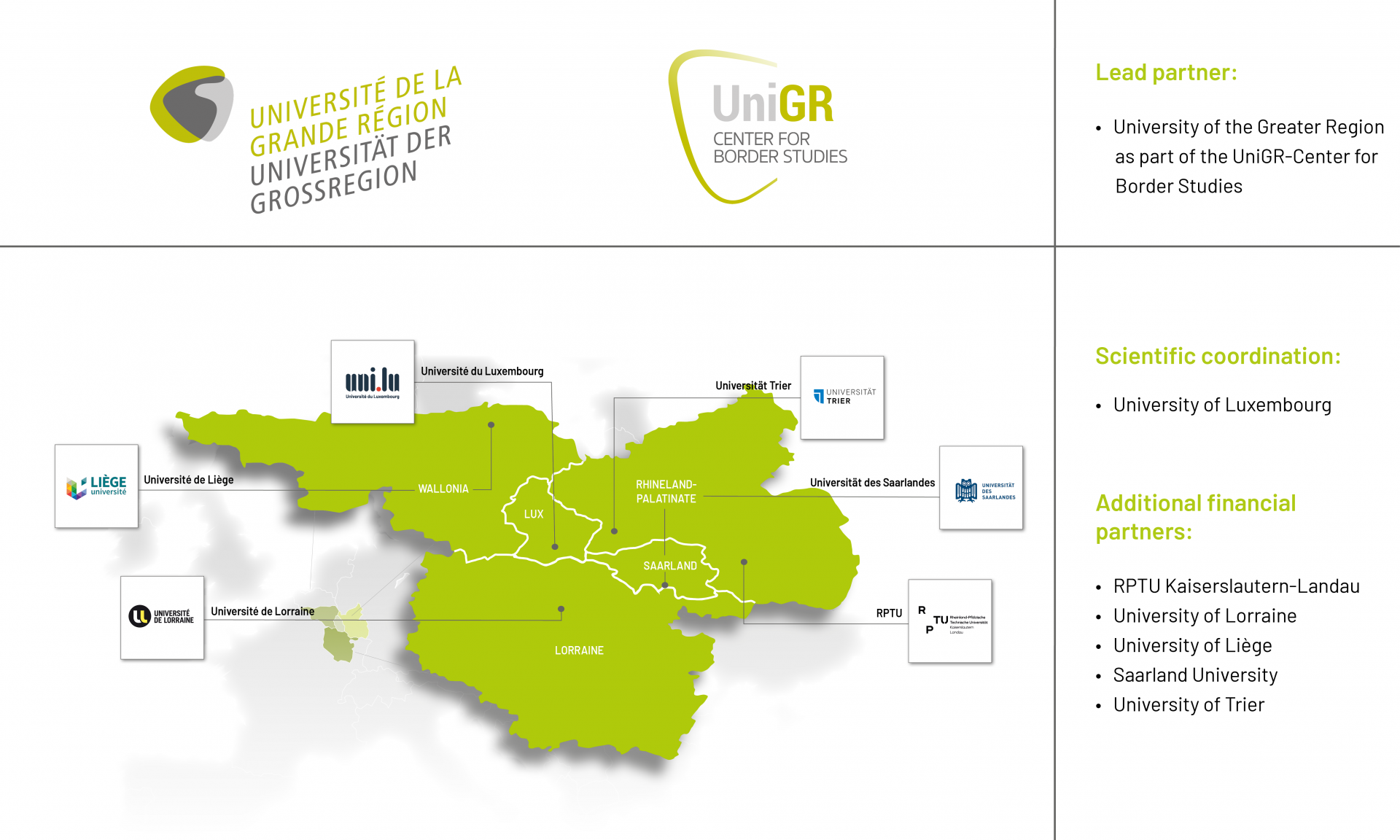
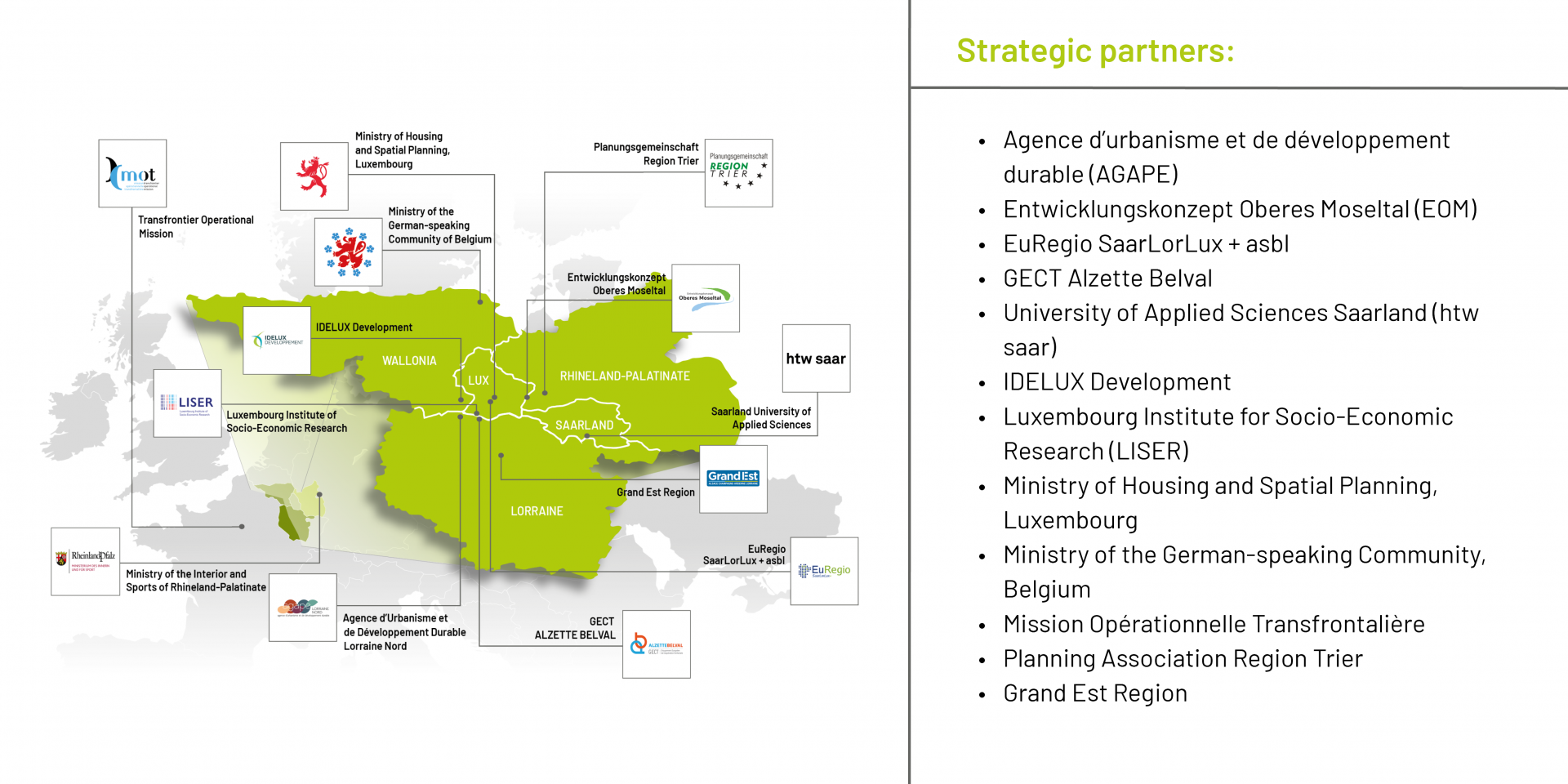
LATI brings together six partner universities of the Greater Region University and numerous strategic actors from politics and administration.
Financial Partners:
Strategic partners:
With support from:
Press
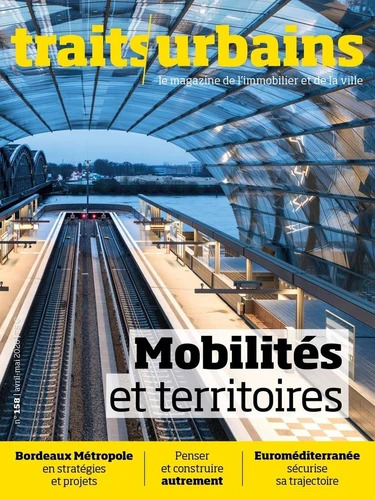
Articles and publications about LATI:


Contacts
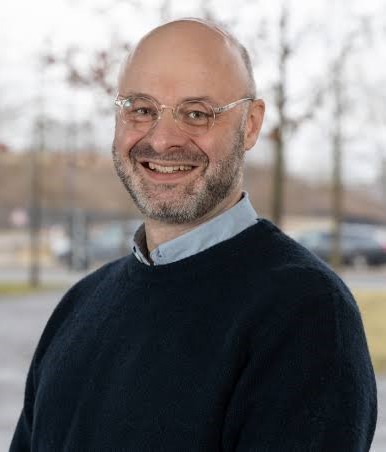 Tom Becker, Scientific Coordinator, University of Luxembourg
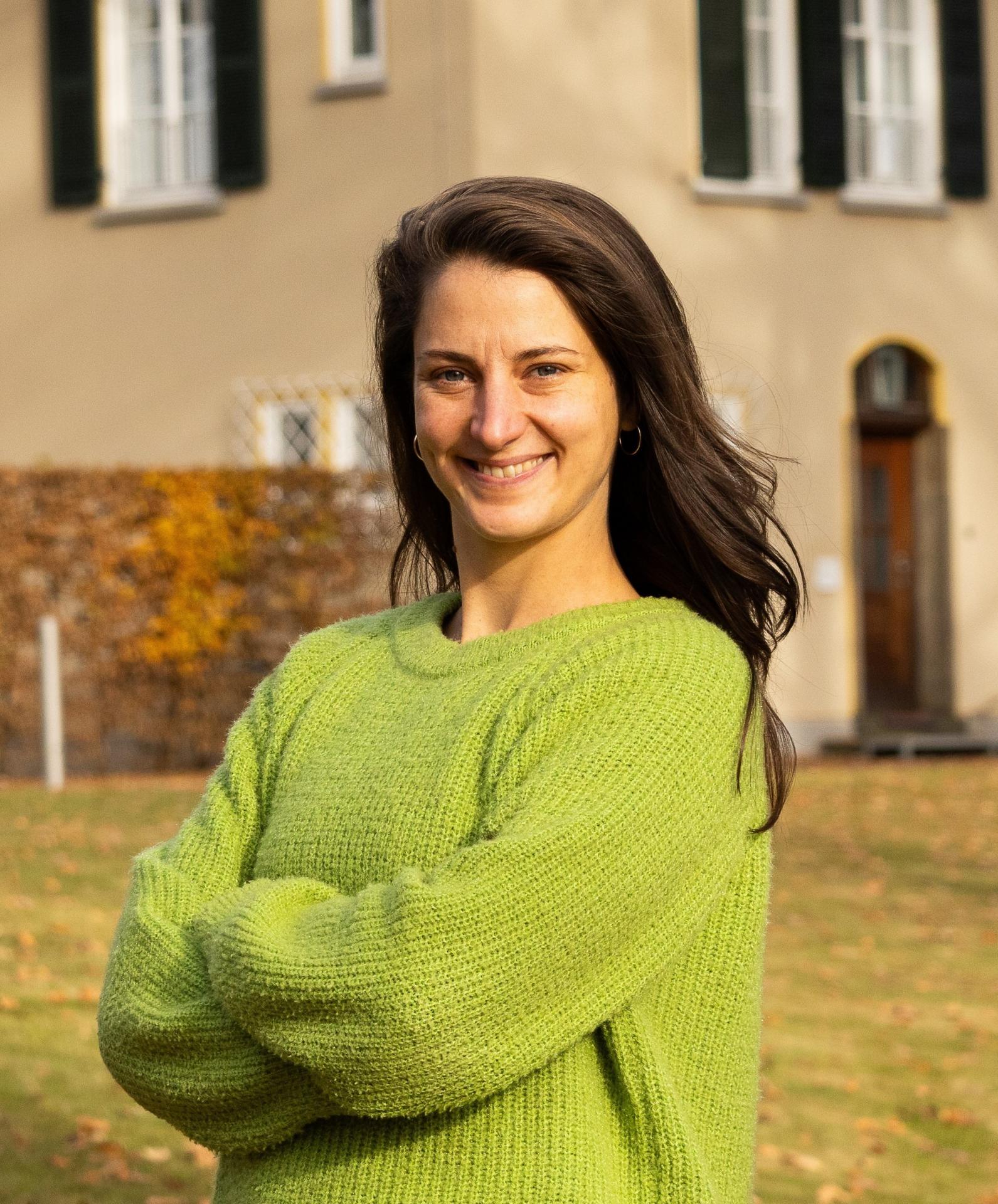 Victoria Petri, Administrative Coordinator, University of the Greater Region
 LinkedIn
  Instagram