The cross-border dimension of climate change adaptation policies - 5.11.2025 in Arlon Campus Environnement
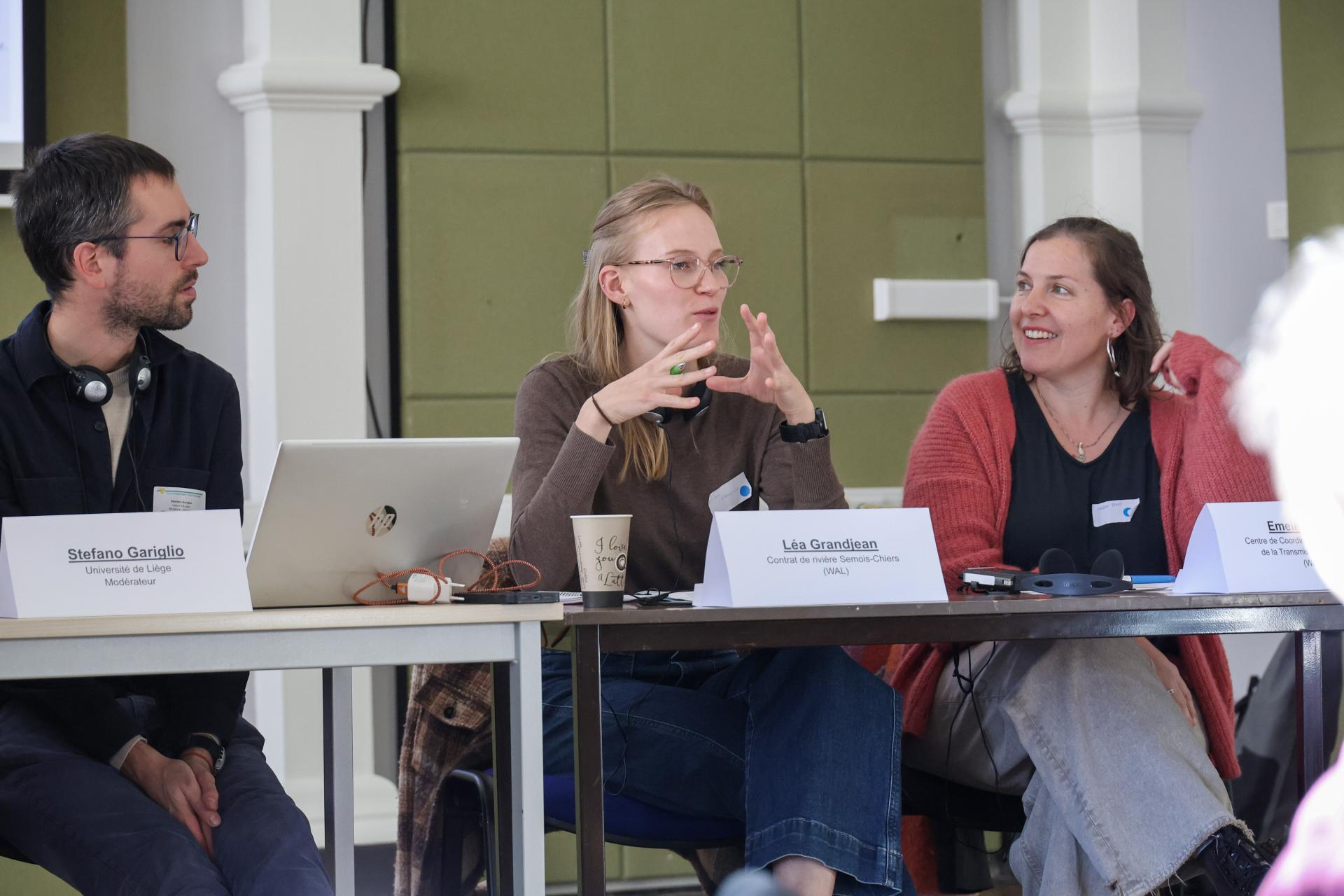
In November 2025, the 11th Greater Region Forum in Arlon brought together more than just climate experts. It gathered people who deal with the real-life impacts of climate change every day.
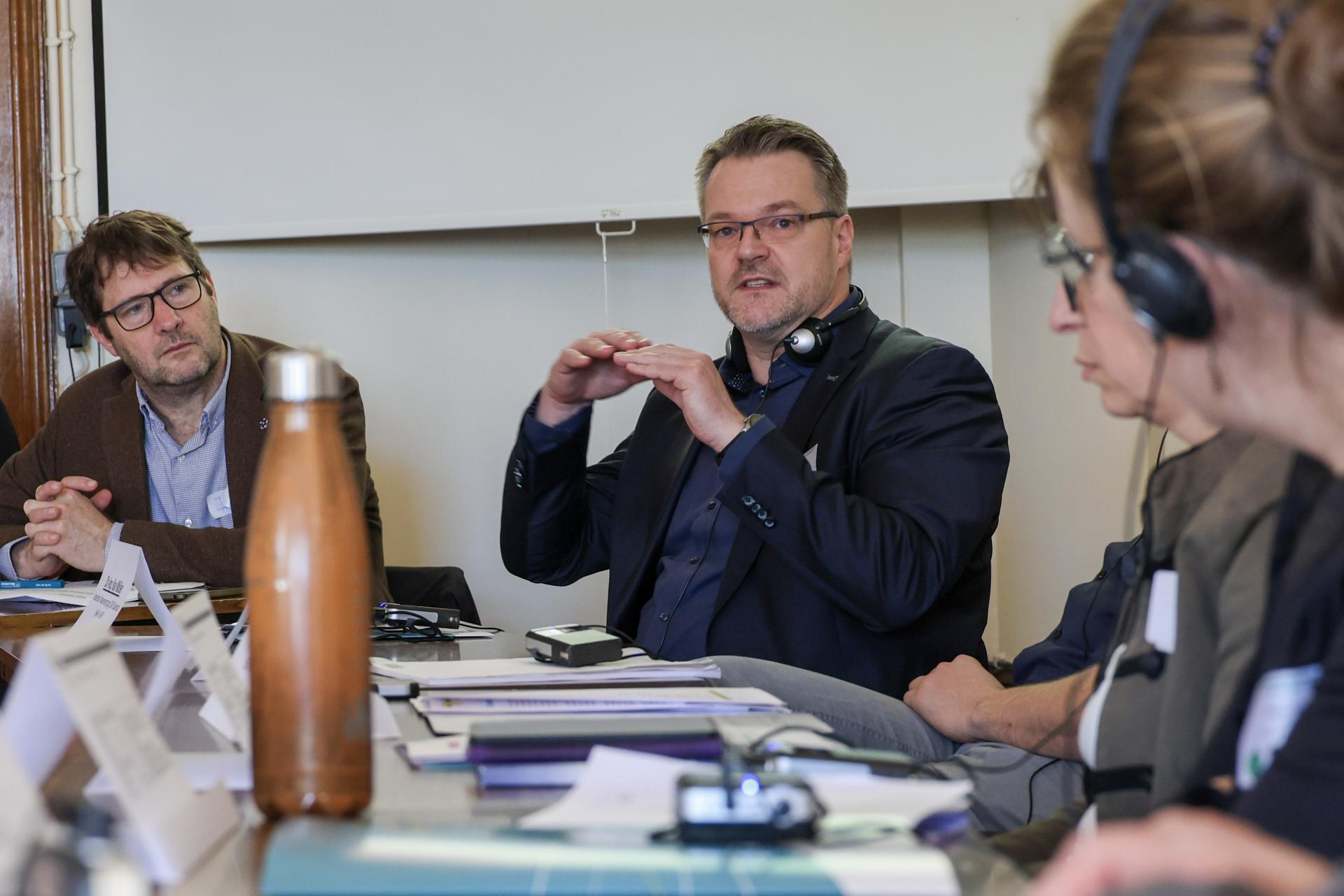
Local officials, researchers, technical staff, and emergency services shared their experiences—often shaped by recent crises. At the heart of the discussions was a simple question: how can cooperation across borders be improved?
One message quickly emerged: climate impacts do not stop at borders, but responses often do.
Three key themes structured the discussions:
- flood risk management;
- water supply in the context of drought;
- wildfire prevention.
Floods: connected territories
In river basins like the Meuse and Moselle, territories are closely interconnected. Decisions in one place can have immediate consequences elsewhere.
Local authorities are on the front line, often acting under pressure. Yet their resources and tools vary significantly.
Risk awareness also differs among citizens. Building a stronger risk culture is therefore essential. Nature-based solutions, such as improving water retention and infiltration, are increasingly important alongside technical measures.
Water: a resource under pressure
Water availability is becoming more uncertain. Situations vary widely across regions.
Three main areas of action were identified:
-
securing resources through interconnection and diversification;
-
reducing consumption;
-
modernizing infrastructure.
Water pricing also emerged as a sensitive issue.
Wildfires: a growing concern
Wildfires are becoming more relevant in the Greater Region. Most are caused by human activity, while climate conditions increase their spread.
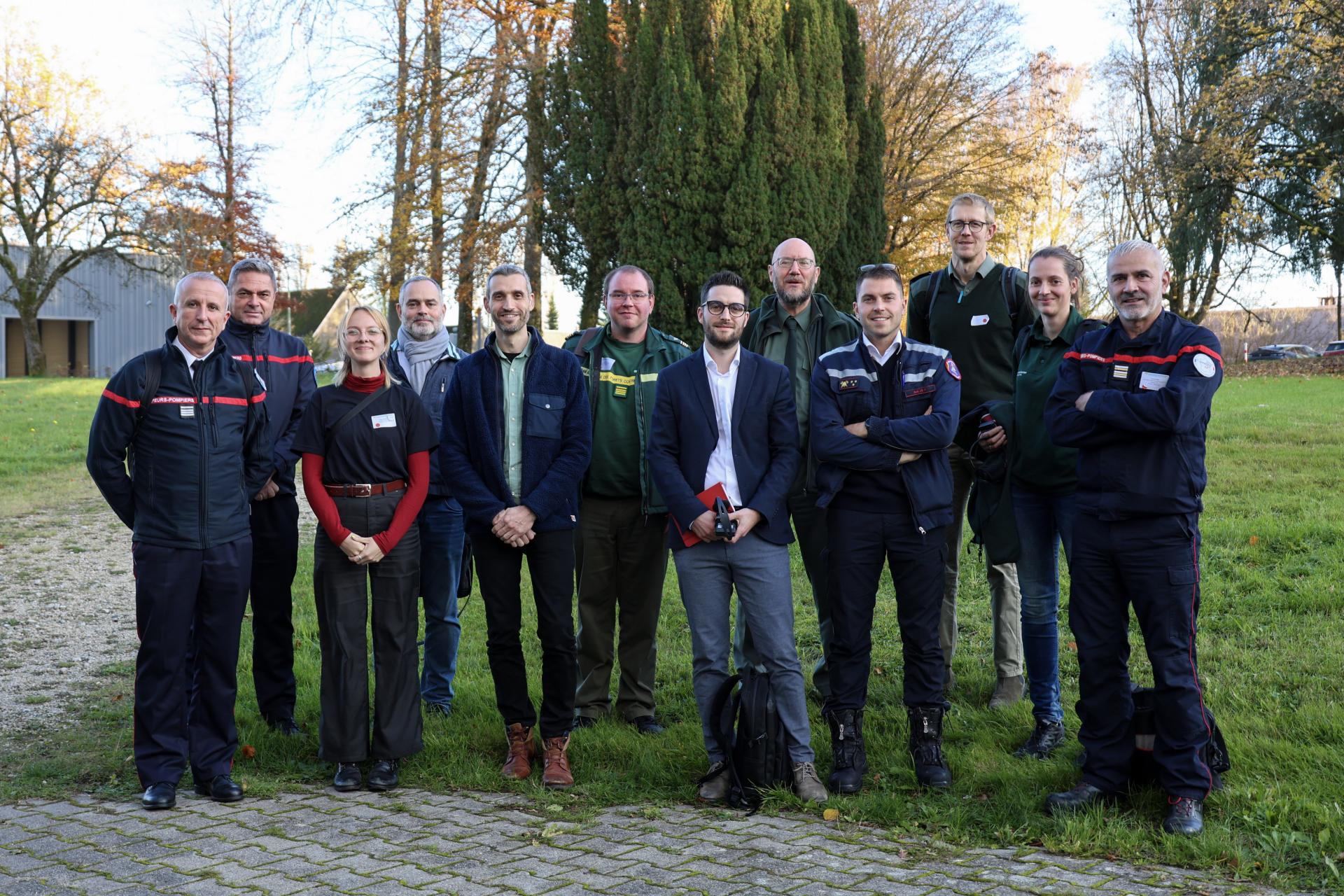 Adapted forest management can reduce risks, but effective cooperation remains crucial.
While cooperation works well in many cases, it can face limitations during large-scale events.
Moving forward together
Several priorities were highlighted:
- better coordination across governance levels;
- improved data sharing;
- stronger citizen involvement.
Climate change creates shared challenges across borders. Strengthening cooperation is essential to better anticipate and respond to future risks.
For more details, see the report for Interreg in German and French as well as the attached program (also in German and French)
Contacts:

(Scientifique coordinator, Lepur)

(Scientist, Lepur)

(Scientist, Lepur)