


LATI’s Expert Committee discusses spatial planning challenges in the Greater Region
With its Expert Committee, LATI brings together researchers, public administrations and policy practitioners around the same table.
This marks an important step towards one of the core objectives of LATI: creating a genuine Science-Policy Interface for the Greater Region.
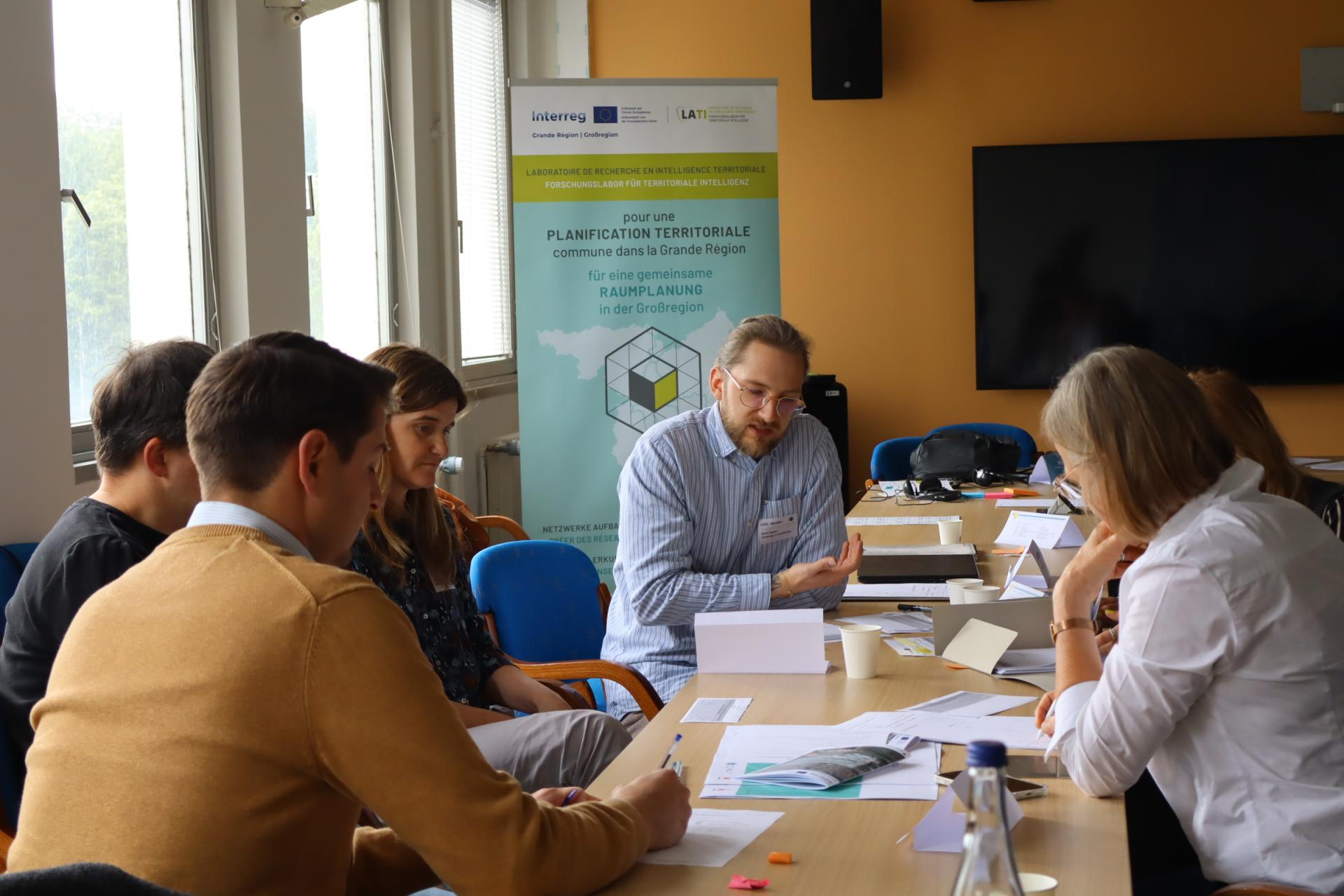
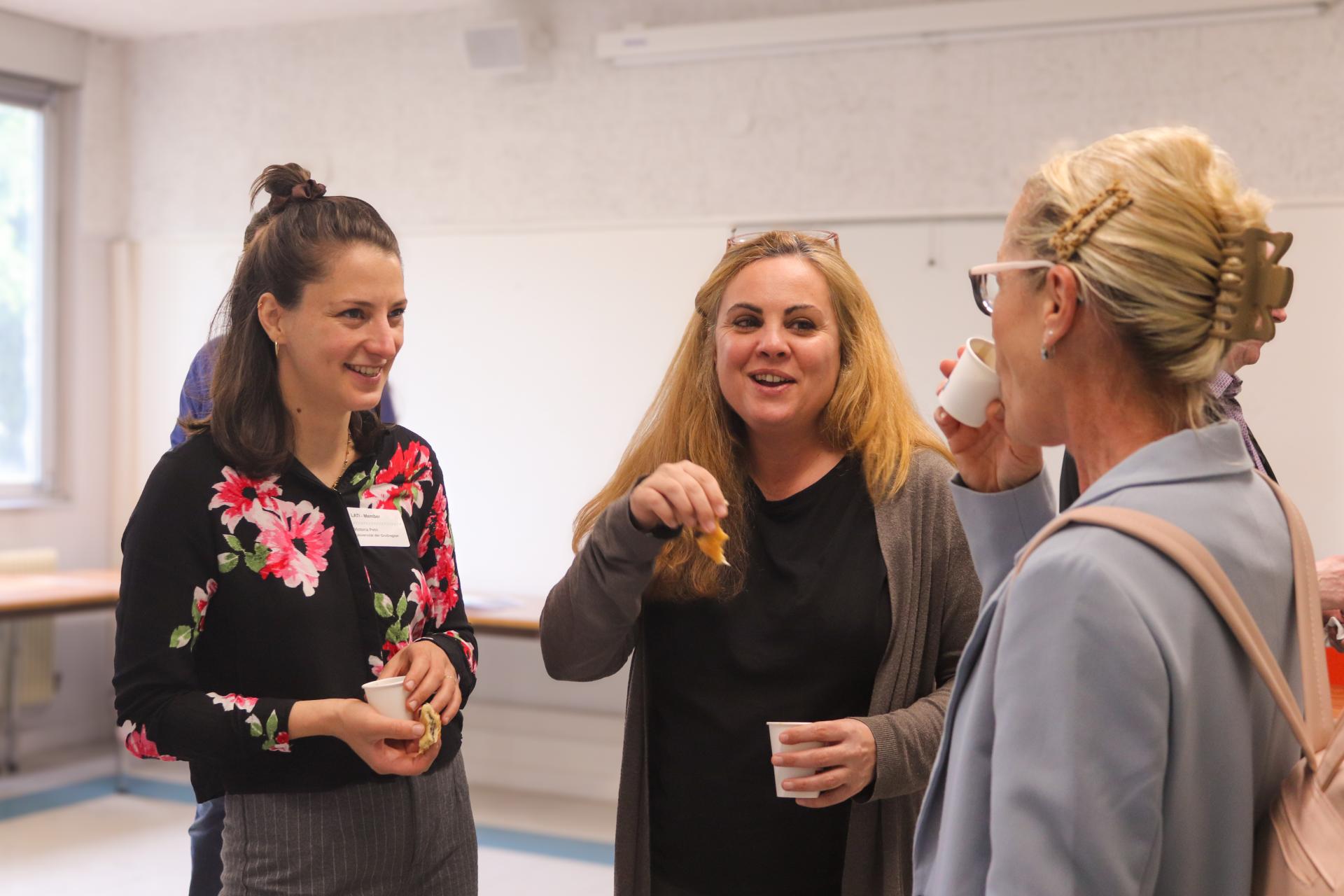
Around 30 experts from spatial planning, public administration and cross-border cooperation bring together their different perspectives and experiences. The meetings provide a space for professional exchange and for jointly developing ideas and recommendations for future-oriented cross-border spatial planning.
The aim is not only to foster exchange, but also to jointly develop and contextualise research findings with a view to their practical applicability in spatial planning.
The Expert Committee thus creates a space for direct dialogue between spatial planning practitioners from all parts of the Greater Region – at local, regional and cross-border levels – and the research community. At the same time, it helps foster new networks among spatial planning experts across the Greater Region.
First meeting: No Net Land Take
The first in-person meeting took place on 19 May 2026 at the University of Lorraine’s campus in Metz. The meeting focused on No Net Land Take (NNLT) and the question of how more sustainable land use can be achieved across the Greater Region.
The experts exchanged views on existing approaches and good practices related to NNLT, ranging from preventing further land take and densifying existing urban areas to the redevelopment of brownfield sites, the reuse of existing buildings, de-sealing and renaturation.
In a cross-border context, particular attention was given to the risk that land-use pressure may simply shift from one territory to another. The experts therefore emphasised the importance of strengthening intermunicipal and cross-border cooperation and improving the exchange of information.
NNLT was also seen as an opportunity to improve quality of life through the redevelopment of brownfield sites, the reuse of vacant buildings, high-quality densification and the development of green spaces. Reducing land take and providing housing were not considered mutually exclusive, provided that existing land and buildings are used more effectively and planning approaches continue to evolve.
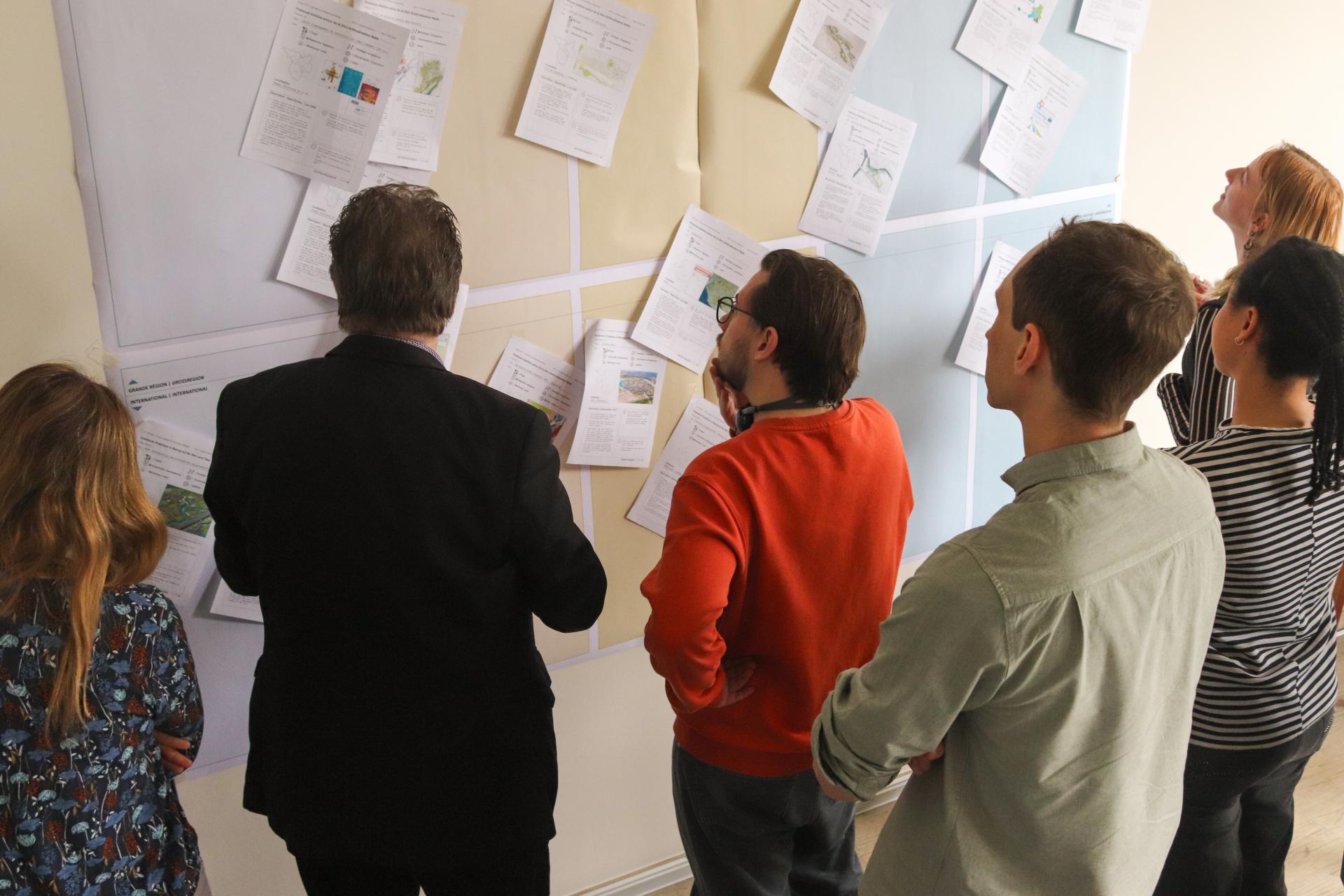
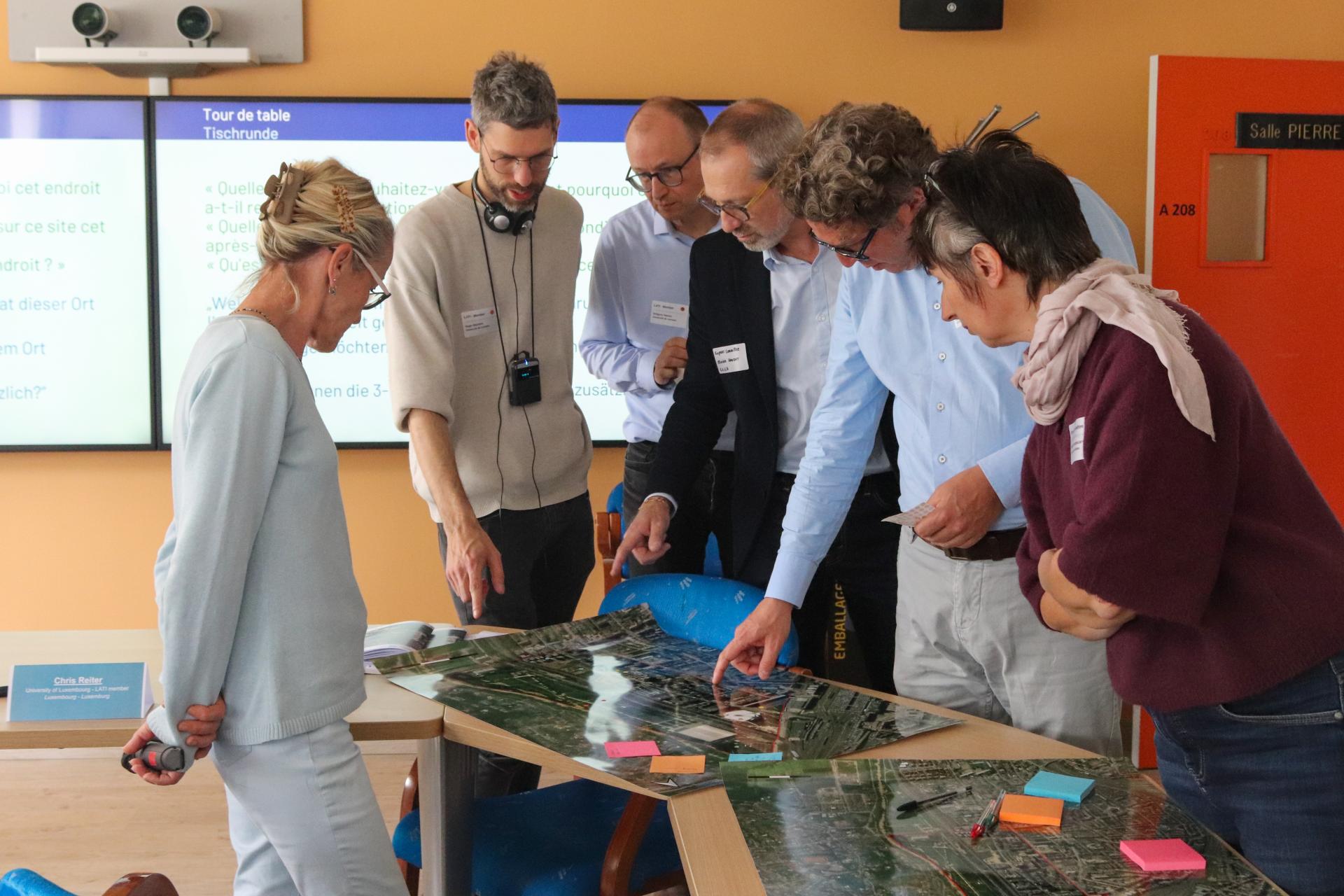
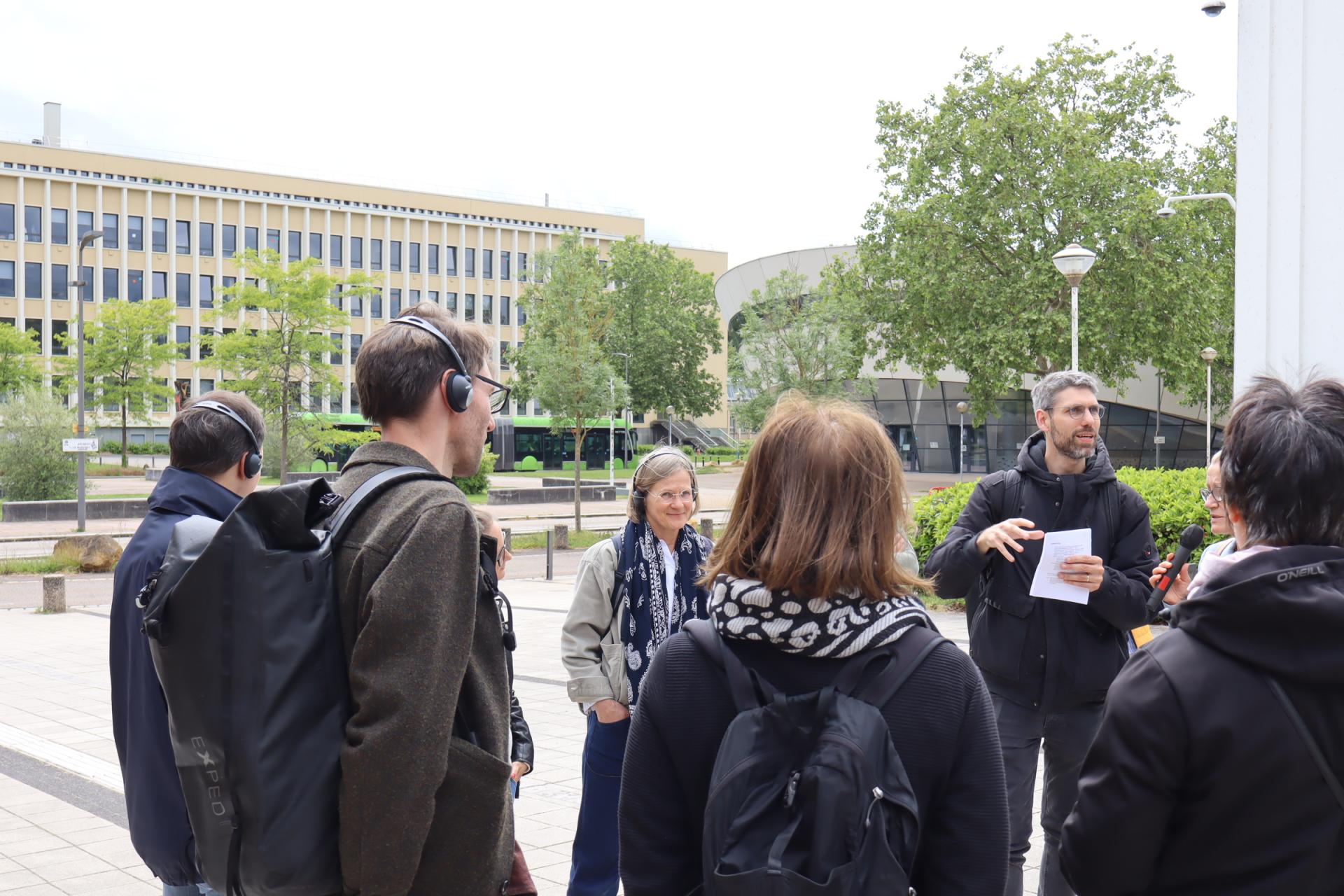
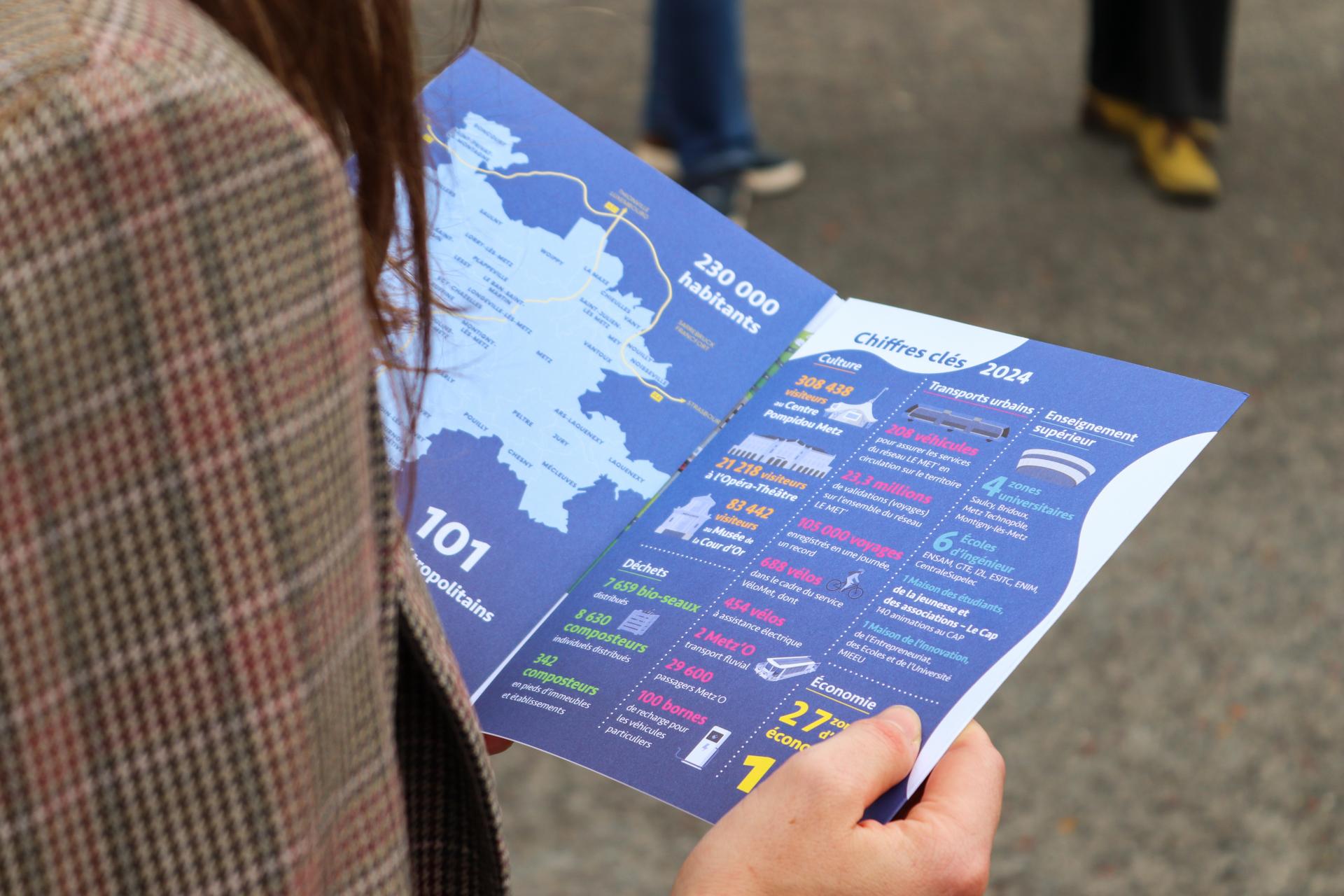
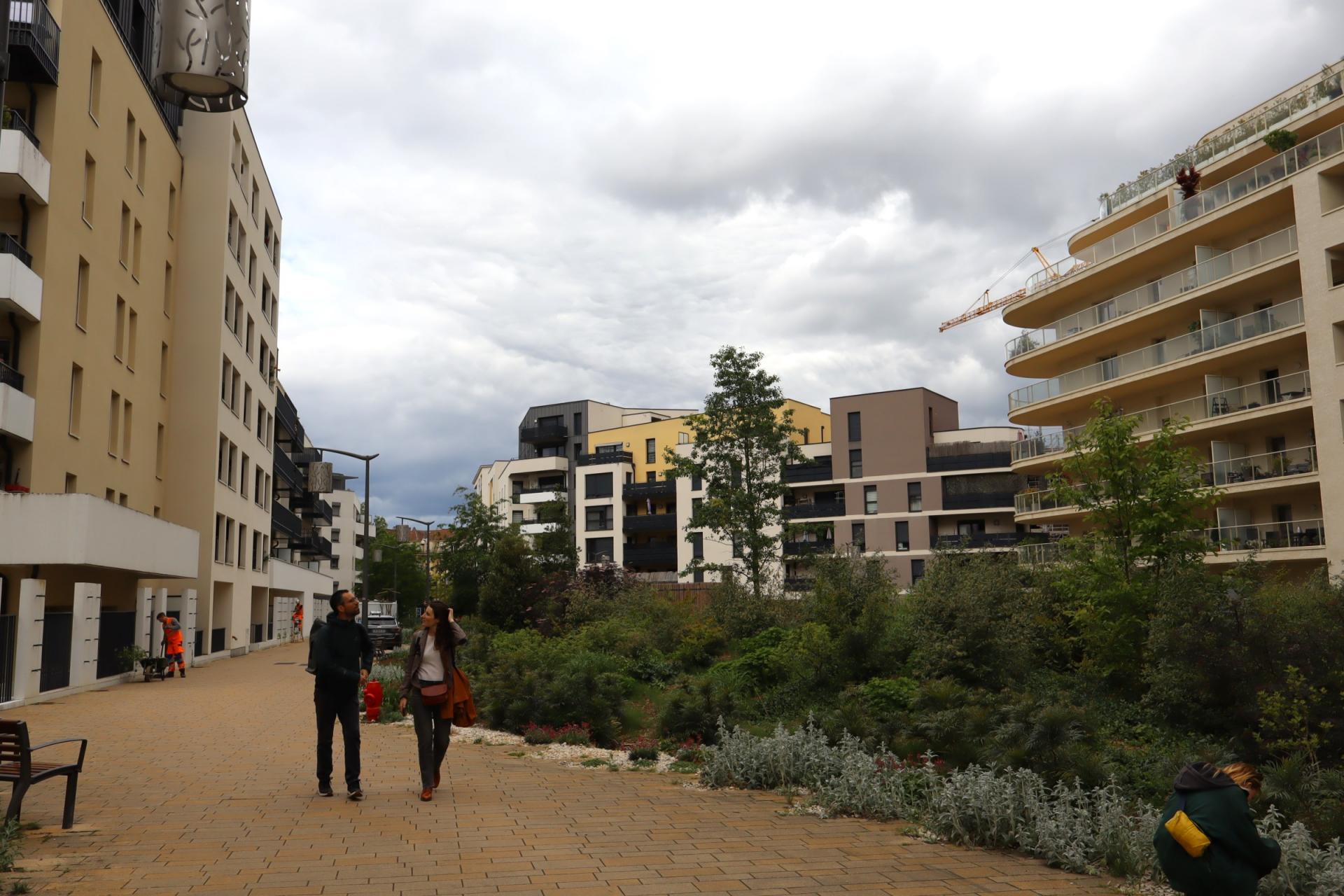
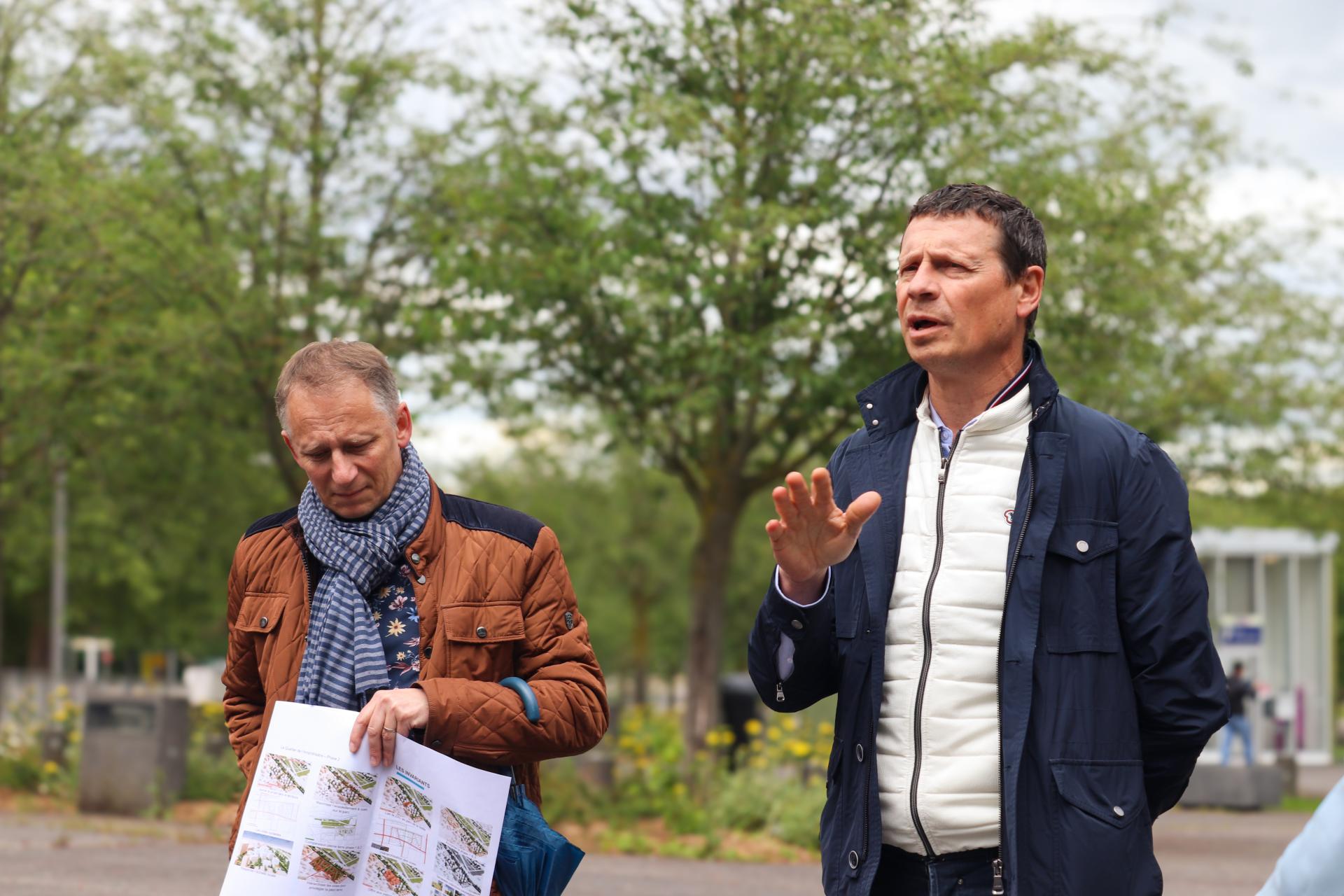
In the afternoon, the discussions continued on the ground during a tour of urban development projects in Metz. The Amphithéâtre development area, located south of the TGV station, was at the centre of the visit. Representatives of Metz Métropole presented the development of the area and the different stages of the project.
On site, the experts discussed issues including densification, the redevelopment of already urbanised areas and the integration of green spaces. The visit highlighted that reducing land take is not only a question of the amount of land used, but also of the quality and functions of urban spaces.
Second meeting: Climate change adaptation
16 November 2026 | Saarland University
Third meeting: Transit-Oriented Development
Autumn 2027 | Trier University